Fashion Design Perspective by: Willow and Thread
Why the clothes you love were designed to feel right before you ever tried them on
You're standing in front of your closet with forty or fifty things hanging there, yet your hand instinctively goes to the same five pieces every single time without you even thinking about why.
That isn't random; it's design doing its job so well that you've never even noticed the effort behind it.
As the team behind Willow and Thread, an online women’s fashion store, we think about this constantly while looking at garments and asking why one feels right while another doesn't. The answer almost never comes down to the fabric or color alone, but rather a collection of tiny creative decisions that happened long before the piece ever hit a rack or a product page.
Those invisible decisions are what we want to talk about. Because understanding them changed the way we look at clothing entirely.

Proportion Is the Whole Game
While most people talk about fit, it is actually the result of something much deeper: proportion.
A designer decides where the waistline sits, how wide the hem falls compared to the shoulder, and whether the sleeve ends at your wrist or slightly above it. None of those choices are accidents; every one of them creates a visual ratio that either feels balanced or slightly off.
For example, take two identical black dresses of the same fabric and color where one has a waist seam at the natural waist while the other sits just an inch higher. That single inch completely changes the proportion of the upper body to the lower body, affecting which body types are flattered and whether the dress reads as casual or polished.
That one inch represents the kind of creative decision that separates a piece you wear every week from one that sits in the back of your closet with the tags still on.
Color Is Emotional Before It Is Visual
People often think they pick colors based on appearance, but color actually triggers a feeling before the brain even processes the specific shade.
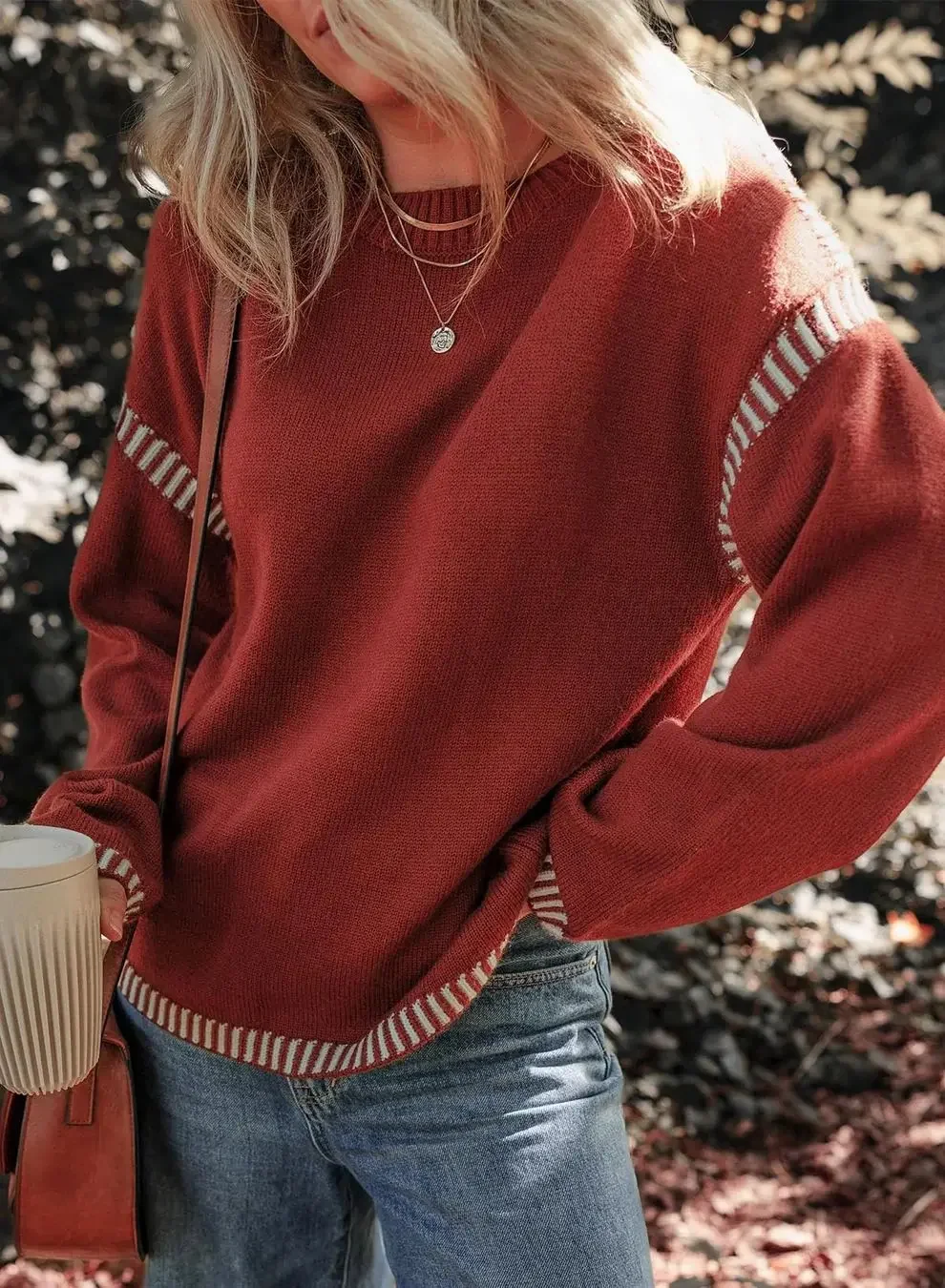
We learned this while curating pieces for our store, where we initially gravitated toward bold jewel tones like emerald and sapphire because they photographed beautifully, yet the pieces that actually sold were muted tones like sage, dusty rose, and warm terracotta.
It took time to realize that those quieter tones feel approachable and comfortable, sliding into everyday life without the friction of a statement piece. The muted palette signals ease to the brain before a customer ever reads a product description.
Designers spend absurd amounts of time choosing specific shades because the difference between a warm and cool nude can be the reason a piece feels either inviting or clinical.
Texture Tells a Story You Feel with Your Hands
This is the one that surprised us most. Texture's a design element that doesn't get nearly enough credit.
Think about the difference between a stiff cotton button-down and a washed linen one; even if the silhouette and white color are identical, the linen feels relaxing and suggests an effortless weekend style.
Designers use texture in ways shoppers rarely register, such as adding a subtle rib knit to a tank to make it look expensive or using a brushed finish to make cotton feel luxurious. Even a raw hem on jeans can signal effortless cool without any other design details.
When photographing for Willow and Thread, we’ve found that capturing texture is vital because customers can't touch the fabric. The image must translate the tactile experience—the drape, weight, and surface—to tell a sensory story in two dimensions.
The Power of What Is Not There
In graphic design there's a concept called negative space. It's the empty space around and between elements. Fashion has its own version of this.
The best-designed garments know what to leave out, resisting the urge to add unnecessary seams, buttons, or embellishments. Restraint is one of the hardest creative skills to master, but in fashion, it is everything.
We see this when sourcing pieces: one top might have a neckline detail, a ruffle, and a tie all at once, while another features a single, beautiful drape at the neckline without any competing elements.
The second one wins because the designer trusted one strong choice instead of hedging with several average ones, proving that restraint is often the most difficult design decision to make.
Start Seeing the Decisions
Next time you reach for a favorite piece, pause to look at where the seam hits, the proportion of the body to the sleeve, and whether the color and texture feel right. You might notice one detail doing all the work rather than several fighting for attention.
Once you start seeing these creative decisions, you can't unsee them, and it will change how you shop, dress, and appreciate the designers whose work we often take for granted.
Fashion is a design discipline living alongside architecture and industrial design, using fabric and thread as its medium. The best work feels effortless precisely because someone made a thousand intentional choices to get it there.
About the Author
This article was written by the team at Willow and Thread, an online women’s fashion store focused on curating pieces that balance timeless design with modern wearability. We believe getting dressed should feel good from the moment you open your closet, and that starts with understanding the creative decisions behind the clothes you love. When we are not obsessing over fabric textures and color palettes, you can find us building a community of women who care about looking great and feeling even better.
Find us at: WillowAndThread.shop