Not everyone knows what they want to do with their life. And that’s okay. But if someone finds themselves drawn to helping others grow, training teams, or building skills at work, Learning and Development might be worth a closer look.
L&D is one of those fields that sounds simple on the surface. Help people learn things. Easy, right? Not quite.
The role goes much deeper than running a few training sessions. It takes a certain kind of person to do it well and an even rarer kind to truly love it.
So, is Learning and Development the right career path? That depends on a few things. Read on to find out what this field really looks like from the inside.
What is Learning and Development?
Learning and Development is a function within an organisation that focuses on improving its people’s skills and knowledge.
Think of it as the part of a company that makes sure employees keep growing. Not just when they join, but all through their careers.
L&D professionals design training programs, run workshops, and build learning strategies. They work closely with HR and business leaders to figure out what skills a team needs and then close that gap.
The field sits right at the intersection of education, psychology, and business. That makes it a rich and varied space to work in. At its core, L&D is about one thing: helping people do their jobs better.
Key Roles in Learning and Development
L&D is a broad field with many specialised roles. Here’s a look at some of the most common ones:
- Learning and Development Manager: Leads the entire L&D function, sets strategy, manages the team, and aligns learning goals with business needs.
- Instructional Designer: Creates structured learning content like courses, modules, and guides that help employees build specific skills effectively.
- Training Coordinator: Handles the logistics of training programs, including scheduling sessions, managing resources, and ensuring everything runs without a hitch.
- E-Learning Developer: Builds digital learning experiences using tools and software, turning training content into engaging online courses for employees.
- Learning Experience Designer: Focuses on how learners feel during training, designing programs that are easy to follow and genuinely useful.
- Talent Development Specialist: Works on long-term employee growth, identifying high-potential individuals and building career development plans for them.
Essential Skills Required for Learning and Development Professionals

Doing well in L&D takes more than just a love for teaching. A mix of skills across different areas is what sets great professionals apart.
Core Skills
These are the building blocks every L&D professional needs. Without these, it’s hard to design or deliver any learning program well.
- Instructional Design Fundamentals: Knowing how to structure learning content so it’s clear, logical, and easy for people to absorb.
- Communication and Facilitation: Being able to explain ideas clearly and guide group discussions in a way that keeps everyone engaged.
- Content Creation and Storytelling: Turning dry information into relatable, story-driven content that actually sticks with the learner.
Technical Skills
Today’s L&D world is heavily digital. Knowing the right tools makes the job faster, smarter, and more effective overall.
- LMS Platforms (e.g., Moodle, SAP SuccessFactors): Managing and delivering training through learning management systems that track progress and store content.
- eLearning Tools (Articulate, Captivate): Building interactive online courses using industry-standard software that brings learning content to life.
- Data Analytics for Learning Outcomes: Using data to measure whether training is working and where improvements need to be made.
Soft Skills
Technical know-how only goes so far. These human-centred skills are what make an L&D professional truly effective on the ground.
- Empathy and Coaching Mindset: Understanding where learners are coming from and supporting their growth with patience and genuine care.
- Problem-Solving: Spotting gaps in performance or knowledge and figuring out the most practical way to fix them.
- Adaptability: Adjusting quickly when plans change, new tools arrive, or learner needs shift in unexpected directions.
How to Start a Career in Learning and Development
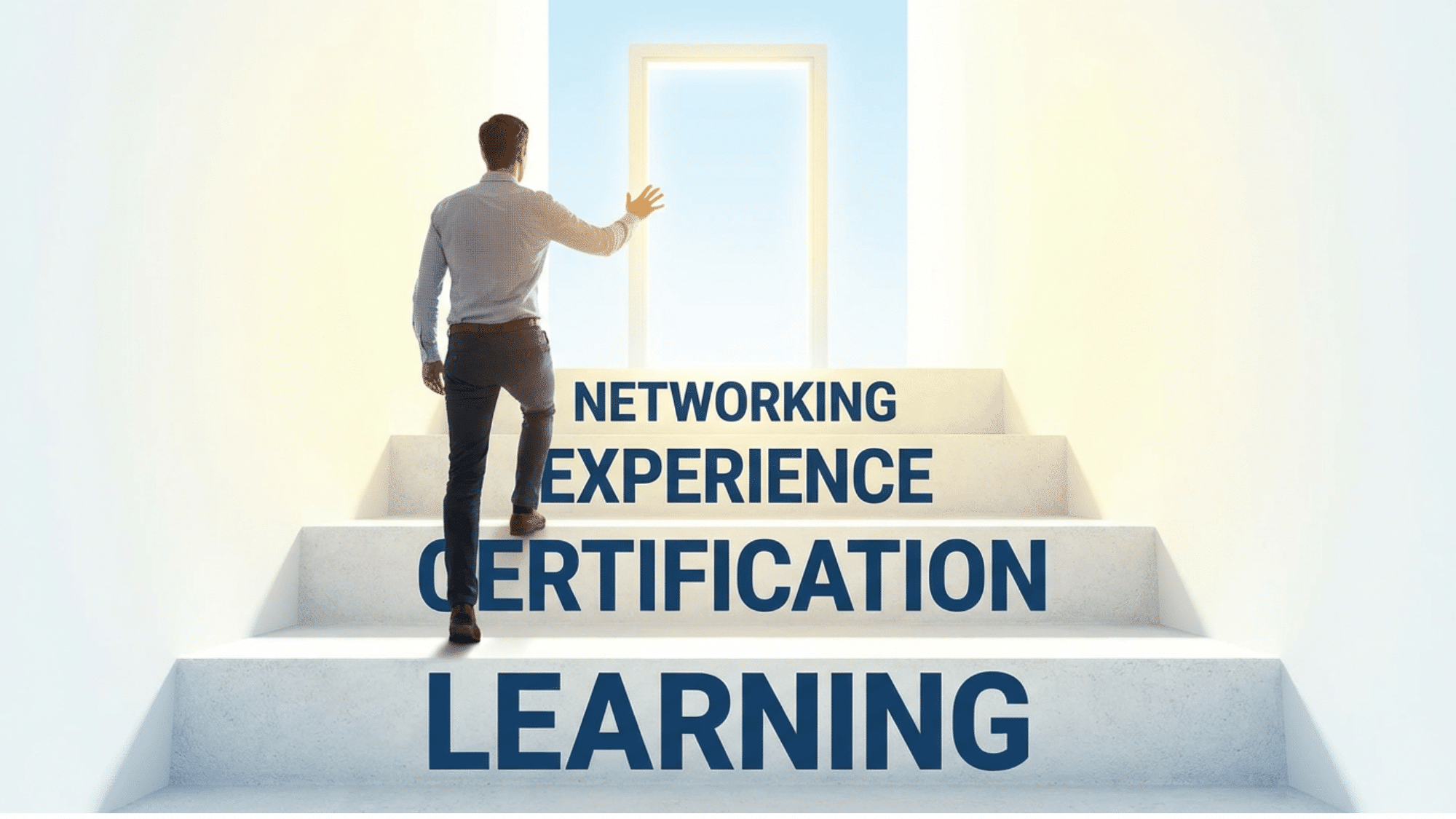
Starting out in L&D can feel overwhelming. But with the right steps, breaking into this field is very much possible.
1. Get the Right Education: A degree in HR, education, psychology, or business gives a strong starting point for any L&D career.
2. Earn Relevant Certifications: Certifications like CPTD, CIPD, or ATD give credibility and show employers that the candidate is serious about the field.
3. Build Hands-On Experience: Volunteering to train colleagues, running workshops, or taking on small projects builds real-world experience that stands out on a resume.
4. Learn Key Tools and Platforms: Getting comfortable with tools like Articulate, Moodle, or Canva makes it easier to land entry-level roles in L&D.
5. Network with L&D Professionals: Joining communities, attending events, and connecting with people already in the field opens doors to opportunities faster.
6. Start With a Related Role: Beginning in HR, teaching, or corporate training gives valuable exposure to L&D work before making a full switch.
7. Keep Learning Continuously: The L&D field keeps changing. Staying updated with new trends, tools, and research shows commitment and keeps skills sharp.
Top Certifications and Courses for Learning and Development
The right certification can open a lot of doors in L&D. Here are some of the most recognised ones worth considering:
| Certification/Course | Provider | Best For |
|---|---|---|
| Certified Professional in Talent Development (CPTD) | ATD | Experienced L&D professionals looking to validate their expertise |
| Associate Professional in Talent Development (APTD) | ATD | Those early in their L&D career |
| CIPD Level 3 Foundation Certificate | CIPD | Beginners entering the HR and L&D space |
| CIPD Level 5 Associate Diploma | CIPD | Mid-level L&D professionals looking to grow |
| Instructional Design Certificate | eLearning Guild | Those focused on designing structured learning content |
| Learning Experience Design (LXD) Course | Noble Desktop | Professionals wanting to improve learner experience |
| Articulate Storyline 360 Training | Articulate | Those building interactive eLearning courses |
| Data-Driven Learning Design | Coursera | L&D professionals looking to use data in decision-making |
| Google Project Management Certificate | Google/Coursera | L&D pros managing multiple training projects at once |
Learning and Development Strategies Used by Top Companies

The best companies don’t just train employees; they build smart learning strategies. Here’s what the top ones actually do:
- Blended Learning Programs: Combining online courses with in-person sessions gives employees flexibility while still keeping the human element of training intact.
- Microlearning: Breaking content into short, focused lessons makes it easier for busy employees to learn without feeling overwhelmed by long training sessions.
- Personalised Learning Paths: Top companies tailor training to individual roles and goals, so employees only spend time on what’s actually relevant to them.
- On-the-Job Learning: Giving employees real projects, stretch assignments, and job rotations lets them build skills through direct experience rather than just classroom settings.
- Mentorship and Coaching Programs: Pairing employees with experienced mentors or coaches helps transfer knowledge in a way that formal training simply can’t replicate.
- Learning Management Systems (LMS): Using platforms like SAP SuccessFactors or Workday Learning helps companies organise, track, and scale their training programs efficiently.
- Social and Collaborative Learning: Encouraging peer-to-peer learning through group projects, discussion forums, and team workshops builds a strong culture of shared knowledge.
- Continuous Feedback Loops: Regularly collecting feedback from learners helps companies refine their training programs and make sure the content stays useful and relevant.
Future Trends in Learning and Development
The L&D field is changing fast. New technology, shifting workplace needs, and a growing focus on employee well-being are all pushing the field in new directions.
Artificial intelligence is enabling personalised learning at scale.
Virtual reality is being used to simulate real-world scenarios for training. And data analytics is helping L&D teams measure the actual impact of their programs.
At the same time, soft skills like emotional intelligence and critical thinking are becoming just as important as technical know-how. Companies are starting to treat learning as an ongoing habit rather than a one-time event.
For anyone building a career in L&D, staying ahead of these shifts is not optional. It’s necessary.
Learning and Development Career Tips for Beginners
Starting out in L&D can feel like a lot. These simple tips can help beginners get off to a solid start:
- Take on one project or course at a time and build experience steadily rather than rushing into everything at once.
- Documenting training sessions, course designs, or workshop plans, even small ones, gives something concrete to show potential employers.
- Learning from someone already working in L&D cuts the learning curve significantly and gives a real-world perspective that no course can offer.
- L&D is ultimately about understanding how people learn and grow, so developing genuine curiosity about human behaviour goes a long way.
- The best way to grow in L&D is to start doing the work, make mistakes, learn from them, and keep going.
Conclusion
L&D is a field that rewards people who genuinely care about others’ growth. It’s not just a job; it’s a long-term commitment to helping people and organisations get better.
The roles are varied, the skills are learnable, and the entry paths are more accessible than most people think. What matters most is taking that first step.
So, if training, coaching, or building learning programs sounds like something worth doing every day, L&D might just be the right fit.
Start with one certification. Reach out to one professional in the field. Small steps taken consistently lead to big career shifts over time.
The post Is Learning and Development the Right Career for You? appeared first on Mothers Always Right.