Home renovation is a big step for many homeowners. It can improve comfort, update the look, and even raise property value. Still, one of the first questions people ask is about cost.
Prices can vary widely, which makes planning feel confusing at times. Many people want clear answers before they begin.
They also want to avoid spending more than expected. A simple guide can make things easier to understand.
It helps break down the components of the total cost. With the right information, planning becomes less stressful.
This article gives a clear view of what to expect before starting a home renovation project.
Average Home Renovation Cost
Home renovation costs can vary widely, but most projects fall within a general range. On average, a full home renovation costs about $120 to $300 per square foot, depending on the size, materials, and level of work.
For a typical home, this can mean:
- Small homes: $25,000 – $50,000
- Mid-size homes: $50,000 – $150,000
- Large or full renovations: $150,000+
Basic renovations with simple updates cost less, while high-end projects with custom finishes and major changes cost much more.
These numbers are only general estimates. The final cost depends on the amount of work, material quality, and location.
Home Renovation Cost Breakdown
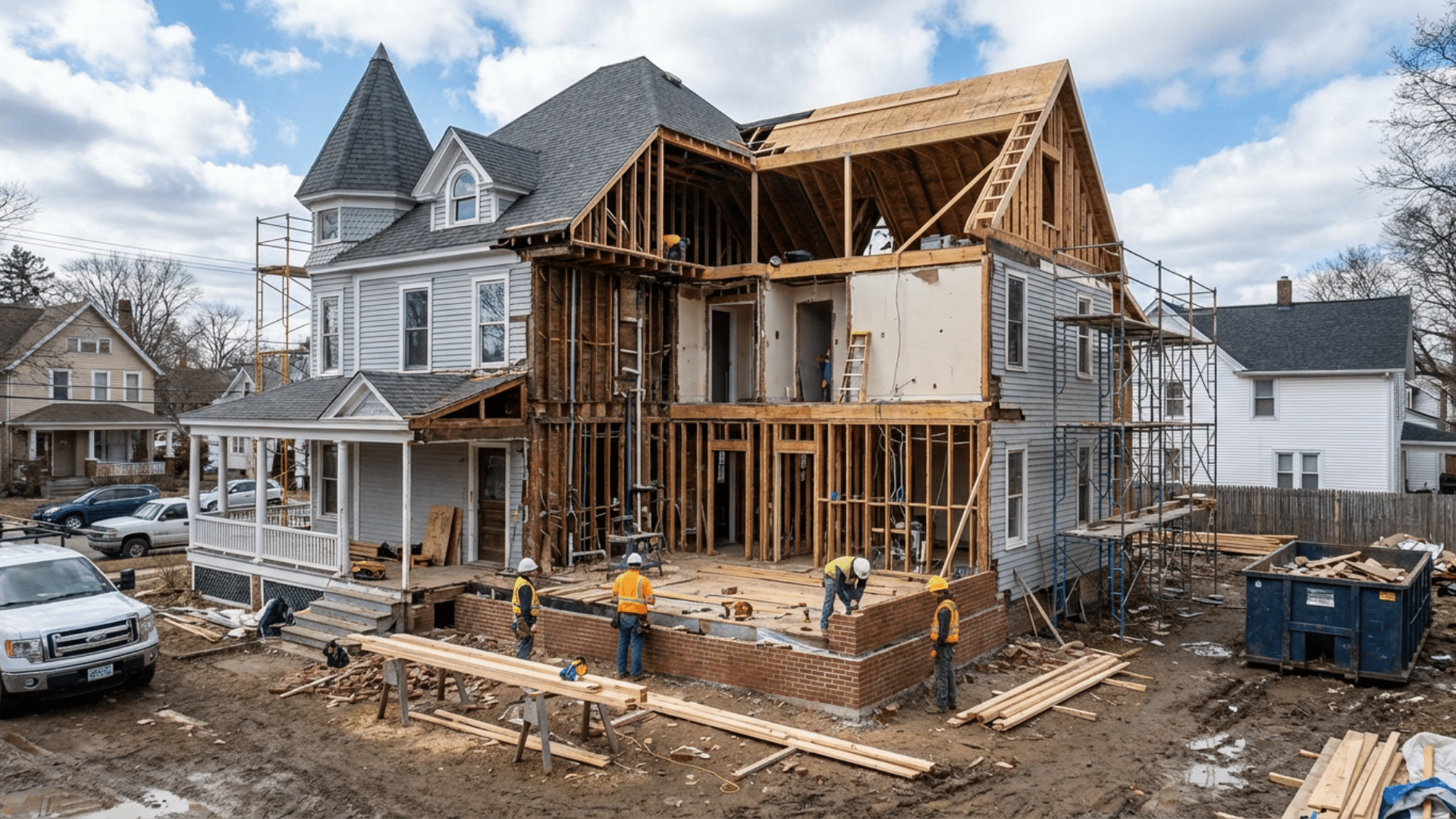
Home renovation costs are made up of several parts. Each part adds to the total budget in a different way. Understanding this breakdown helps homeowners see where the money goes and plan better.
| Cost Category | What It Includes | Estimated Share of Total Cost |
|---|---|---|
| Labor | Contractor fees, workers, and installation | 40% – 50% |
| Materials | Flooring, paint, fixtures, cabinets | 30% – 40% |
| Structural Work | Walls, roofing, and foundation changes | 10% – 15% |
| Electrical & Plumbing | Wiring, pipes, HVAC systems | 10% – 20% |
| Design & Permits | Architect fees, permits, approvals | 5% – 10% |
| Finishing Work | Painting, trim, final touches | 5% – 10% |
| Unexpected Costs | Repairs, delays, hidden issues | 10% – 20% (buffer) |
Cost by Renovation Type
Home renovation costs can vary depending on the amount of work being done. Some projects only update the look, while others involve major changes. Understanding the type of renovation helps set a more realistic budget.
Basic Renovation (Cosmetic Updates)
Basic renovations focus on simple upgrades. These projects improve the look without changing the structure.
- Typical Cost: $10,000 – $50,000
- Cost per sq ft: $10 – $50
- Includes: Painting, new flooring, lighting, and minor repairs
This is the most affordable option. It works well for homes that are in good condition but need a fresh look.
Mid-Range Renovation
Mid-range renovations include both cosmetic updates and some functional changes.
- Typical Cost: $50,000 – $150,000
- Cost per sq ft: $50 – $100
- Includes: Kitchen or bathroom remodel, new fixtures, partial layout changes
This type is common for homeowners who want better comfort and updated features.
Full Home Renovation
A full renovation involves major changes across the entire house. It may include structural work and system upgrades.
- Typical Cost: $150,000 – $300,000+
- Cost per sq ft: $100 – $300+
- Includes: Structural changes, new plumbing and electrical systems, full interior updates
This is the most expensive option. It is often needed for older homes or large redesign projects.
Home Renovation Cost by Room
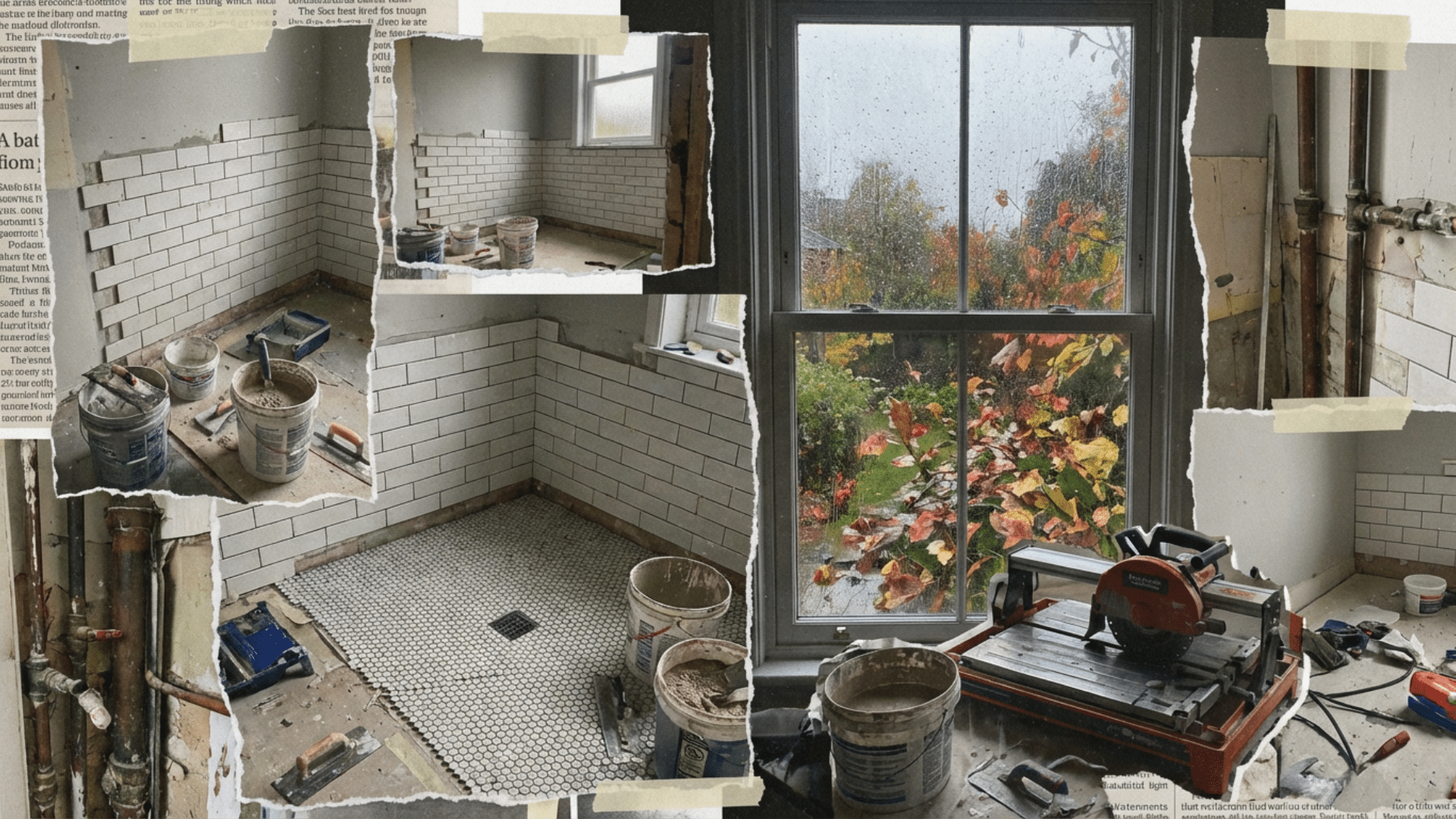
Home renovation costs vary by room, with kitchens and bathrooms costing more than bedrooms and living areas. Here is a simple room-by-room cost breakdown:
| Room | Average Cost Range | Cost per Sq Ft | What Affects Cost |
|---|---|---|---|
| Kitchen | $15,000 – $50,000+ | $100 – $300 | Cabinets, appliances, and layout changes |
| Bathroom | $8,000 – $25,000+ | $100 – $250 | Plumbing, fixtures, tiles |
| Living Room | $5,000 – $15,000 | $20 – $80 | Flooring, paint, lighting |
| Bedroom | $3,000 – $10,000 | $20 – $60 | Paint, flooring, storage |
| Basement | $10,000 – $40,000+ | $50 – $150 | Finishing, insulation, wiring |
| Exterior | $5,000 – $30,000+ | Varies | Roofing, siding, windows |
Key Factors That Affect Renovation Cost
Home renovation costs can change based on several important factors. Each one plays a role in how much the final project will cost.
Home Size and Layout
Larger homes need more materials like flooring, paint, and fixtures, which increases the total cost. More space also means more labor hours. The layout matters too.
Open layouts or homes with many corners and small rooms can take more time to work on. If walls need to be removed or added, costs can rise quickly due to extra structural work.
Location
Where the home is located has a big impact on cost. In major cities, labor rates are higher, and materials may cost more as well. In smaller towns, prices are often lower.
Transportation costs can also add up if materials need to be brought in from far away. Local demand for contractors can also affect pricing.
Condition of the Home
Older homes often need repairs before renovation can begin. Issues like outdated wiring, old plumbing, mold, or weak structures can increase costs.
Fixing these problems is necessary for safety, but it adds to the budget. Homes in good condition usually cost less to renovate because fewer repairs are needed.
Quality of Materials
Material choices can significantly change the cost. Basic materials are more affordable, while premium options like hardwood flooring, marble, or custom cabinets cost much more.
Higher-quality materials often last longer and look better, but they increase the upfront cost. Many homeowners mix both to stay within budget.
Scope of Work
The level of renovation plays a big role in cost. Simple updates like painting or replacing fixtures are cheaper.
Bigger changes, such as remodeling a kitchen or changing the layout, cost more. Full home renovations that include structural work and system upgrades are the most expensive.
Labor Costs
Labor is one of the largest parts of a renovation budget. Skilled workers like electricians, plumbers, and carpenters charge higher rates.
The more complex the work, the more labor is needed. Hiring experienced professionals may cost more, but it often leads to better results and fewer mistakes.
Permits and Regulations
Many renovation projects require permits, especially if they involve structural, electrical, or plumbing work.
Permit fees vary by location and project type. Inspections may also be required, which can add time and cost. Not following local rules can lead to fines or delays.
Project Timeline
The time needed to complete a renovation can affect the total cost. Faster timelines may require more workers or overtime, which increases labor costs.
Delays can also add expenses, especially if materials are delayed or changes are made during the project. A clear plan helps keep the timeline and budget under control.
How to Estimate Your Home Renovation Cost
Estimating renovation cost becomes easier when broken into a few clear steps. This helps create a realistic budget and reduces the risk of overspending.
- Start with size and scope: Measure your home and decide what work needs to be done. A small update will cost much less than a full renovation.
- Check average costs: Look at the cost per square foot and typical room prices in your area to get a rough idea.
- Break it down by room: Estimate costs for each room rather than guessing a total. This makes planning more accurate.
- Add labor and materials: Include both contractor fees and the costs of materials such as flooring, paint, and fixtures.
- Get quotes and add a buffer: Compare estimates from contractors and add 10–20% extra for unexpected expenses.
Final Thoughts
Home renovation costs can vary, but a clear plan makes a big difference. Knowing the average costs, key factors, and room-wise expenses helps set the right budget.
It also helps avoid surprises during the project. Careful planning, smart choices, and a small buffer can keep spending under control.
Taking time to estimate costs step by step leads to better results. A well-planned renovation can improve both comfort and home value. It is always better to stay informed before starting.
Use this guide as a starting point and plan wisely. Start your renovation journey today with a clear budget in mind.
The post How Much Does Home Renovation Cost? appeared first on Mothers Always Right.